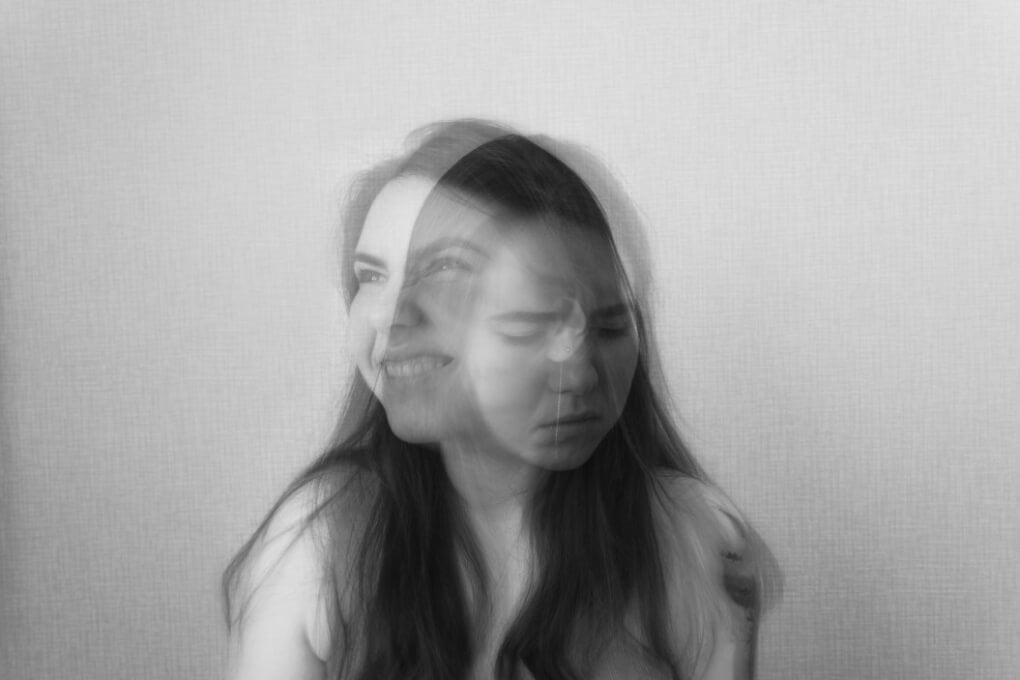
Bipolar disorder is a mental health condition that is influenced by a combination of genetic factors and other environmental factors. Like other mental health conditions, a family history of bipolar disorder increases the likelihood of an individual developing the disease at some point in their life.
People with bipolar disorder experience extreme emotional highs and lows. During a manic episode, individuals may behave recklessly. Their thoughts, speech, and movements become accelerated, and they may struggle to focus on tasks, feeling frustrated and irritable. Conversely, the symptoms of a depressive episode are similar to those experienced during depression. These include feeling down or sad, withdrawing from social interactions or family, and losing interest in hobbies and pleasurable activities.
During a manic episode, individuals may experience increased energy, irritability, anxiety, overactivity, spending, heightened sex drive, racing thoughts, rapid speech, decreased sleep, grandiose ideas, hallucinations, and delusions.
Individuals may feel as though their minds are being controlled by an external force. They may have difficulty sleeping for extended periods and experience an overwhelming influx of thoughts and creative ideas.
During a depressive episode, individuals may experience low mood, irritability, loss or change in appetite, lack of motivation, low self-esteem, sleep disturbances, suicidal thoughts, and difficulty managing everyday tasks or making simple decisions.
It’s important to note that some of the signs and symptoms of bipolar disorder can overlap with those of other mental health conditions, such as drug abuse, attention deficit and hyperactivity disorder (ADHD), major depressive disorder, disruptive mood disorder, or even schizophrenia.
Manic episodes are characterized by a significant change in mood, typically involving an elevated, expansive, or irritable state. These episodes are accompanied by increased energy levels, which are far more pronounced than what is expected in individuals of a young age.
Other manic symptoms of bipolar disorder may include:
- Unrealistic highs in self-esteem – for example, a client feels all-powerful or like a superhero with extraordinary superpowers.
- Overwhelming increase of energy.
- Decreased need for sleep, such as getting little or no rest for days without feeling tired.
- Increase in talking – when the client talks too much, changes topics quickly, and cannot be interrupted.
- Distractibility – the child’s attention constantly moves from one thing to another.
- Repeated high-risk-taking behavior, such as abusing alcoholic drinks and drugs, reckless driving, or sexual promiscuity
Depressive Episodes: People who have bipolar disorder may also experience periods of depression. An episode of depression includes low or irritable mood.
Other symptoms of a depressive episode may include:
- Decreased enjoyment of hobbies
- Intense tiredness
- Oversleeping or insomnia
- Lack of concentration
- Constant complaints of boredom
- Substance use disorders such as alcohol abuse or other drugs
- Eating disorders
- Frequent stomach aches or headaches
- Death wishes